

TLDR: A good sugar-free electrolyte drink still delivers real amounts of sodium, potassium and magnesium, plus clean, clearly labeled ingredients. Look for sea mineral electrolytes, supportive actives like L-theanine and antioxidants, and avoid vague flavors, heavy stimulants and marketing hype.
If you are active, fast sometimes or just want to hydrate better without sugar, the drink aisle can be confusing fast. Labels shout about “zero sugar” and “clean hydration,” but many options are little more than flavored water or are loaded with stimulants and mystery ingredients. This guide walks through exactly what matters on the label, why sea mineral electrolytes and ingredients like L-theanine and antioxidants are worth caring about, and what to approach with caution. We will use our SkinSips® Plus formula as a real-world example along the way, so you can apply the same checklist to anything you are considering.
What makes a good sugar-free electrolyte drink?
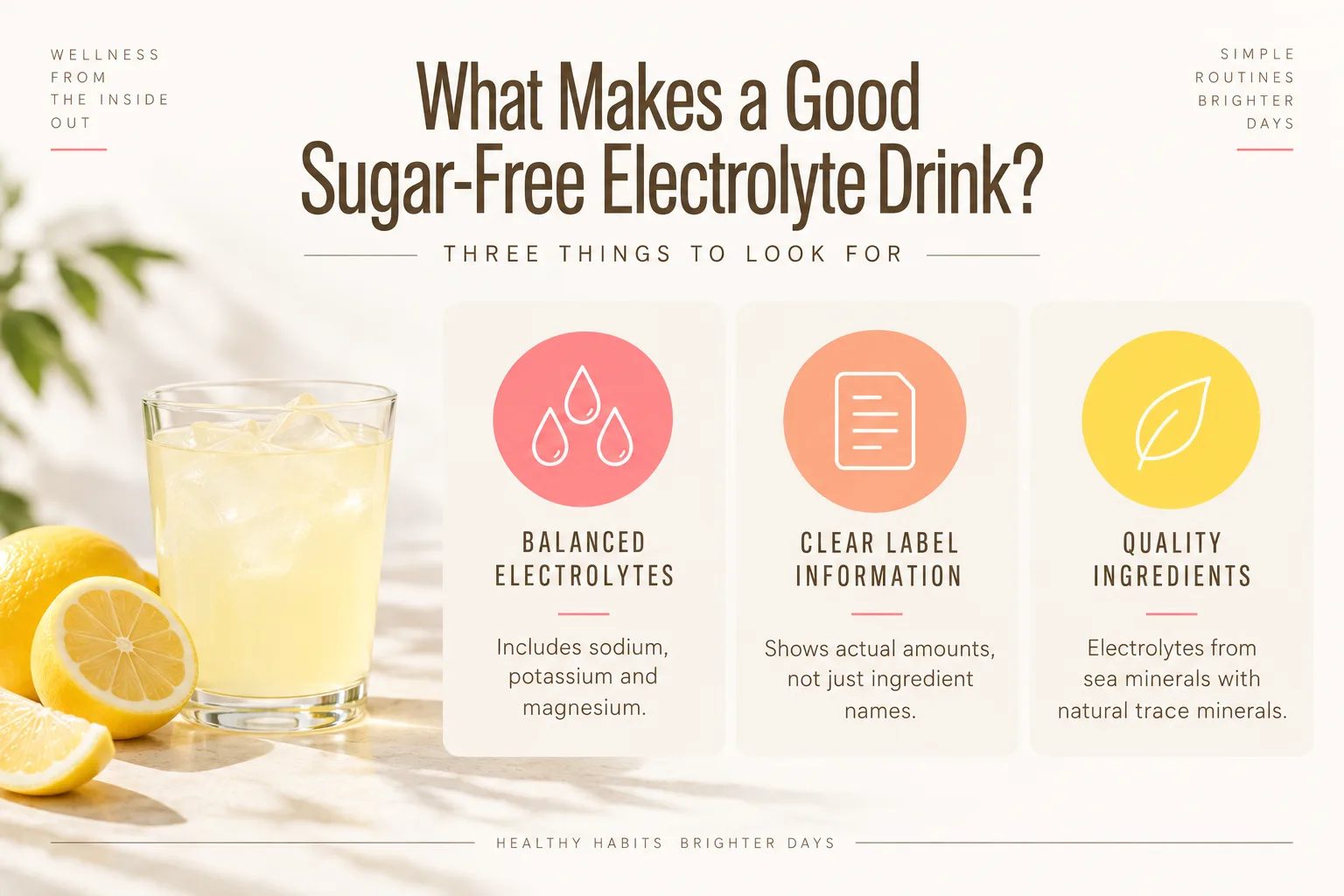
A good sugar-free electrolyte drink starts with one thing: effective electrolyte levels, not just flavor. The drink should meaningfully support hydration and muscle and nerve function, even without sugar.
That means a balanced mix of sodium, potassium and magnesium, instead of heavily favoring just one mineral. If a product loads up on sodium and barely includes potassium or magnesium (or vice versa), it is not giving your body what it needs to manage fluid balance, muscle contraction and normal nerve signaling as well as it could.
You also want the label to show actual amounts, not just ingredient names in a long list. If sodium, potassium and magnesium are present but the panel lists little or only a token amount of milligrams, you are closer to flavored water than a functional drink.
Beyond the big three, quality matters as much as quantity. Electrolytes from sea minerals, for example, often come with natural trace minerals that support normal cellular and nerve function related to hydration, even though they do not directly provide hydration themselves. Sea mineral blends usually bring a wider mix of minerals than a single-mineral salt.
A strong sugar-free formula also respects what you are trying to avoid. That usually means steering clear of added sugars, minimizing artificial colors and not relying on heavy caffeine or multiple stimulants to make you “feel” something. The result should be a drink that you could use daily, around workouts or during fasting windows, without it feeling like you are taking a preworkout.
Finally, a good option is honest on the label. You should be able to recognize most of the ingredients, understand the role of the key ones, and see clear serving info so you can decide when and how to use it.
Do sugar-free electrolytes actually work?
Yes, sugar-free electrolyte drinks can absolutely work when the formula is well designed. Electrolytes themselves, not sugar, are what drive fluid balance and nerve and muscle function.
Sugar is not required for everyday hydration as long as electrolyte levels and balance are appropriate. For most training sessions, daily walks, yoga, lifting, office days and general life, your cells mainly need the right minerals and enough fluid.
There is a separate question about fuel. Sugar or carbohydrates may still be helpful in some high-intensity endurance situations, but this is different from everyday hydration needs. Long races, multi-hour rides or back-to-back hard sessions can call for extra carbs to support performance, and those can come from gels, whole-food carb sources or a different type of drink.
Well-designed sugar-free electrolyte drinks should be presented as effective options for daily hydration, workouts and fasting windows. They give you minerals without breaking a fast with sugar, and they fit neatly into lower-sugar or lower-calorie nutrition approaches while still supporting how your muscles and nerves work during training.
What makes them work or not work comes back to design. The more a product looks like slightly salty flavored water with almost no actual electrolyte content, the less you will notice a difference. The more it is built around meaningful, balanced electrolytes, with smart supportive ingredients and no unnecessary extras, the more it can earn a regular place in your routine.
Why electrolytes from sea minerals matter
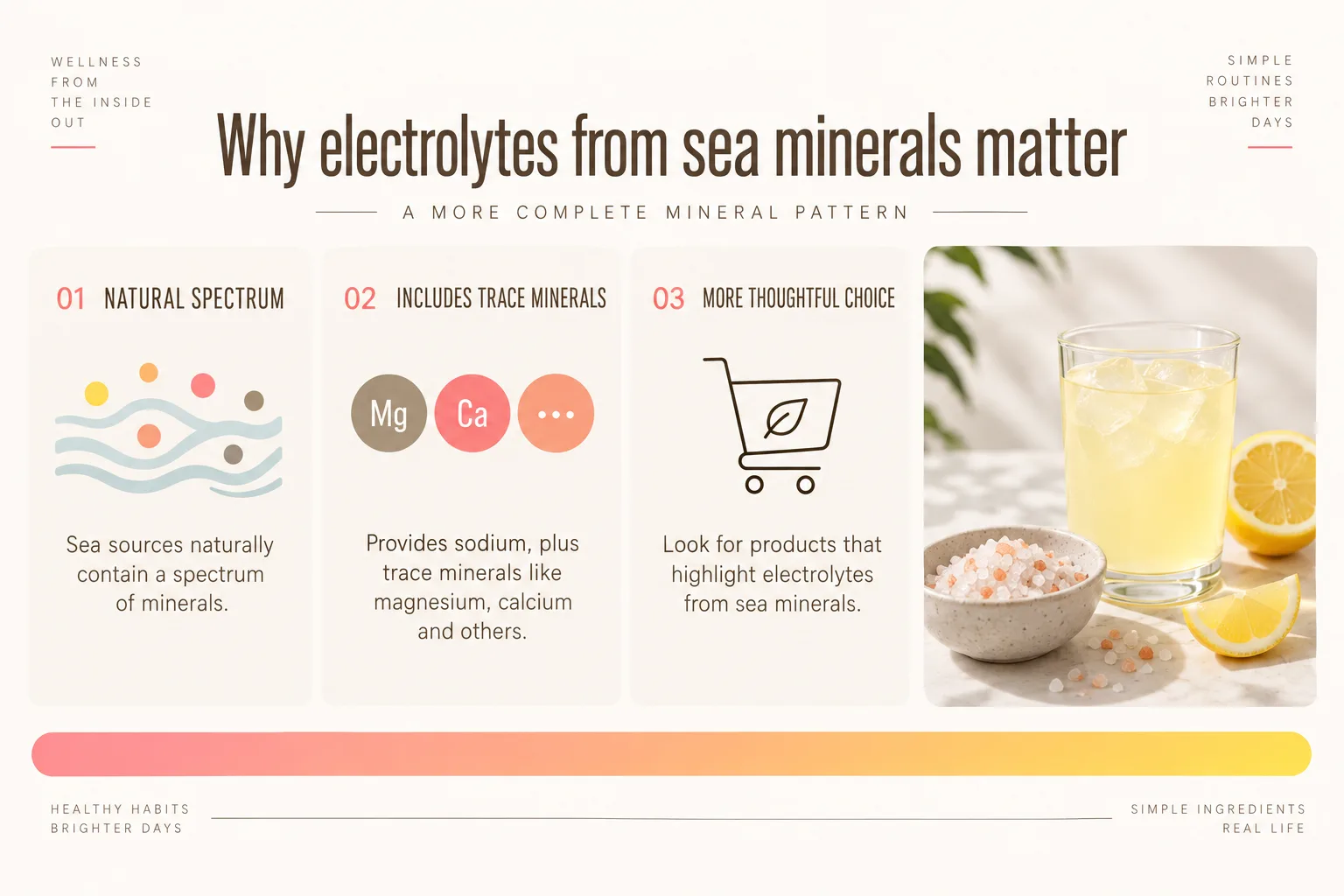
Electrolytes from sea minerals are valuable because they provide more than just one isolated mineral in a vacuum. Sea sources naturally contain a spectrum of minerals, which can better reflect what your body uses in real life.
When you rely only on a single refined salt, you may get sodium, for example, but miss out on trace minerals like magnesium, calcium or others that are present in small amounts in sea mineral blends. Those other minerals may show up in a sea mineral blend in small amounts, but they do not replace sodium, potassium and magnesium for hydration themselves. They are like supporting players that help the main electrolyte actors do their job more smoothly.
If you want a deeper dive on how this works, our article on sea minerals and trace minerals for hydration breaks down how these minerals interact in the body.
Choosing products that highlight electrolytes from sea minerals is one way to bias your cart toward this more complete mineral pattern. You are still looking for clear numbers on sodium, potassium and magnesium, but the source can tell you a lot about how thoughtful the formulation is.
Sea mineral–based electrolytes also pair well with other functional ingredients. When the base of the drink is already aligned with how your body uses minerals, it makes sense to add targeted actives for focus, recovery or cellular protection without having to correct for an unbalanced electrolyte backbone.
So when you read labels, notice not just that electrolytes are present, but how the product describes their source. “Sea minerals” is a useful signpost that the brand is paying attention to mineral diversity, not simply sprinkling table salt into a flavored mix.
Key ingredients to look for on the label
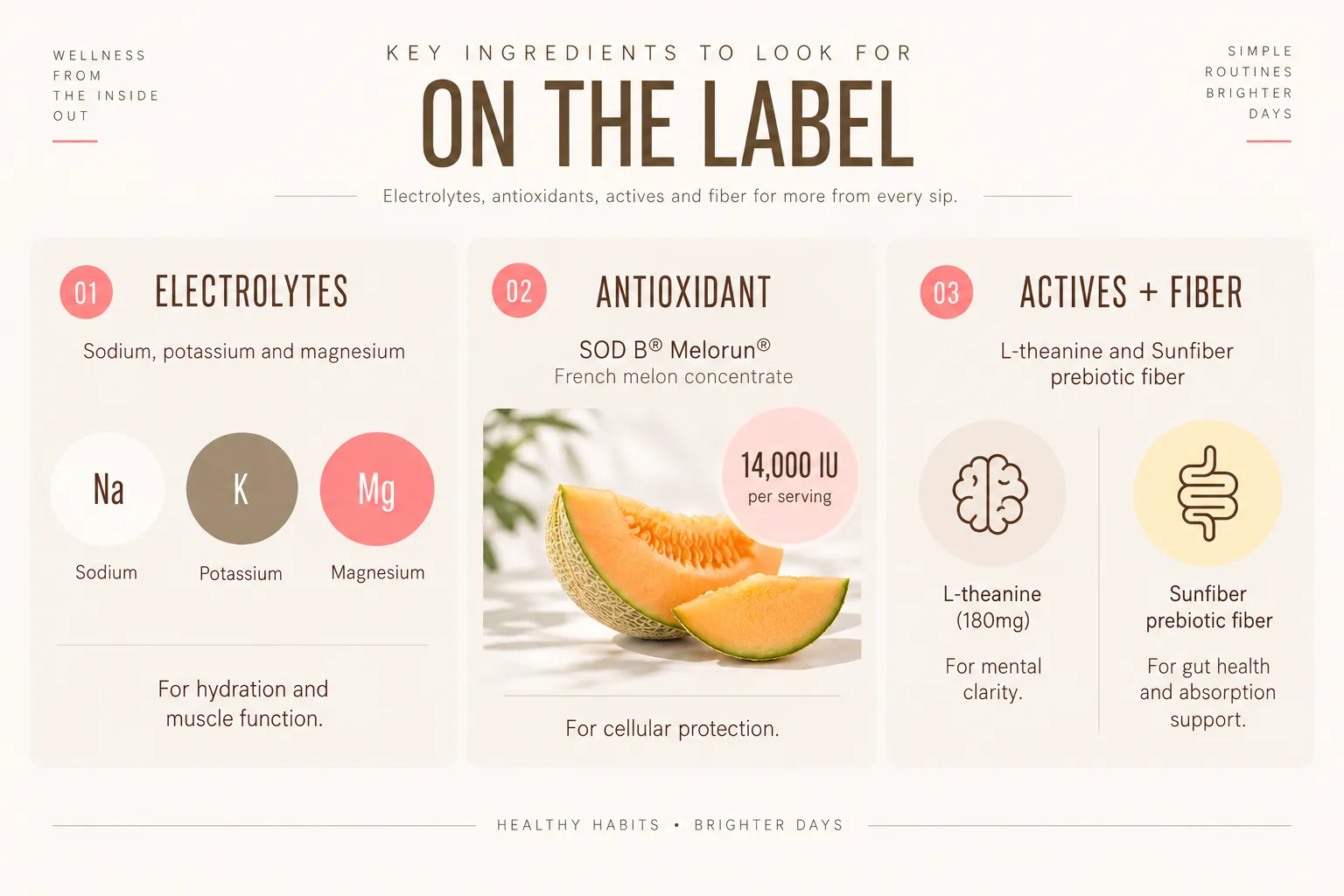
On any sugar-free electrolyte drink label, start by checking sodium, potassium and magnesium. These are the core electrolytes for fluid balance and muscle and nerve function.
You want to see all three present in meaningful amounts, rather than just one mineral dominating. This is one of the reasons we formulated SkinSips Plus® with magnesium plus electrolytes from sea minerals for hydration and muscle function. That combination aims for balance, not a single-mineral spike.
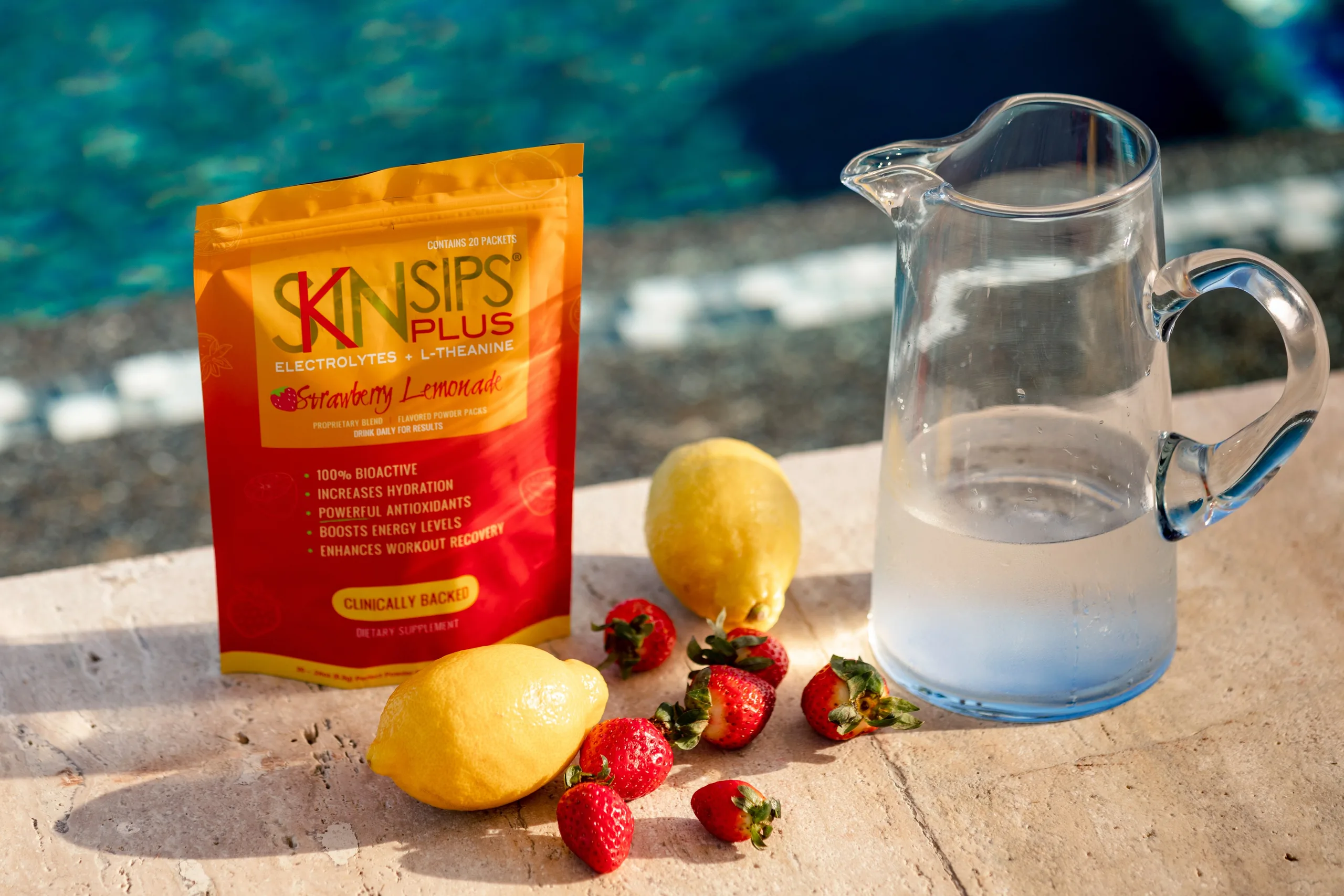
Alongside the electrolytes, supportive actives can make the drink do more for you in the same serving. SkinSips Plus® packs combine SOD B® Melorun®, L-theanine, magnesium, electrolytes and prebiotic fiber to support hydration, mental clarity, athletic recovery and cellular protection.
SOD B® is the branded French melon concentrate used as SOD B® in SkinSips Plus®. SkinSips Plus® includes SOD B® as antioxidant support as part of a broader recovery strategy, alongside the sea mineral electrolytes and L-theanine covered above.
SkinSips Plus® includes L-theanine for mental clarity. If you want to understand why L-theanine is used so often for focus and calm, our article on L-theanine benefits for focus and calm walks through its role in more detail. Including it in a hydration formula means the same drink can support a smoother, more focused training block or workday, not just fluid levels.
Gut support also matters for how well you actually use the nutrients in your drink. SkinSips Plus® includes Sunfiber prebiotic fiber for gut health and absorption support. A well-fed gut environment can help with overall nutrient handling, including minerals.
When a label pulls these threads together, you get more from each sip: electrolytes for hydration and muscle function, antioxidants for cellular protection, actives for mental clarity, and gut-friendly fiber. That is the kind of multi-layered formula that can replace several separate products in your routine, while still staying sugar-free.
If you want to see how we connect these pieces scientifically, you can explore the science behind SkinSips Plus® for a closer look at the research and reasoning behind the formula.

Ingredients and claims to be cautious about
Not every sugar-free electrolyte drink earns a spot in your bottle. Some ingredients and claims deserve a closer look before you commit.
High caffeine levels or multiple stimulants can be counterproductive for people training later in the day or those sensitive to jitters. If a product stacks caffeine with other stimulants, it might feel intense in the short term but may not match your goals for calm focus, quality sleep or steady energy.
Be mindful of sweeteners that do not match how you like to feel. Some people are fine with the taste and aftertaste of certain non-sugar sweeteners, others are not. The key is knowing what is in there, in clear language, so you are not surprised.
Vague flavoring language is another flag. Vague “natural flavors” on a label are something to be cautious about because they can be used to cover up certain flavorings without disclosing exactly what they are. This does not mean every product that lists them is “bad,” but it does mean you do not know exactly what is creating the taste, which matters to many people who care about clean, transparent ingredients.
Overblown claims around performance, body composition or appearance deserve skepticism too. Electrolyte drinks are there to support hydration, normal muscle and nerve function and, when formulated that way, recovery and mental clarity. When a label seems to promise dramatic transformations by itself, it is usually marketing speaking louder than the panel.
Last, check whether the product is leaning heavily on artificial colors or unnecessary fillers. The simpler and more purposeful the ingredient list, the easier it is to understand what you are putting in your body and how it aligns with the rest of your nutrition strategy.
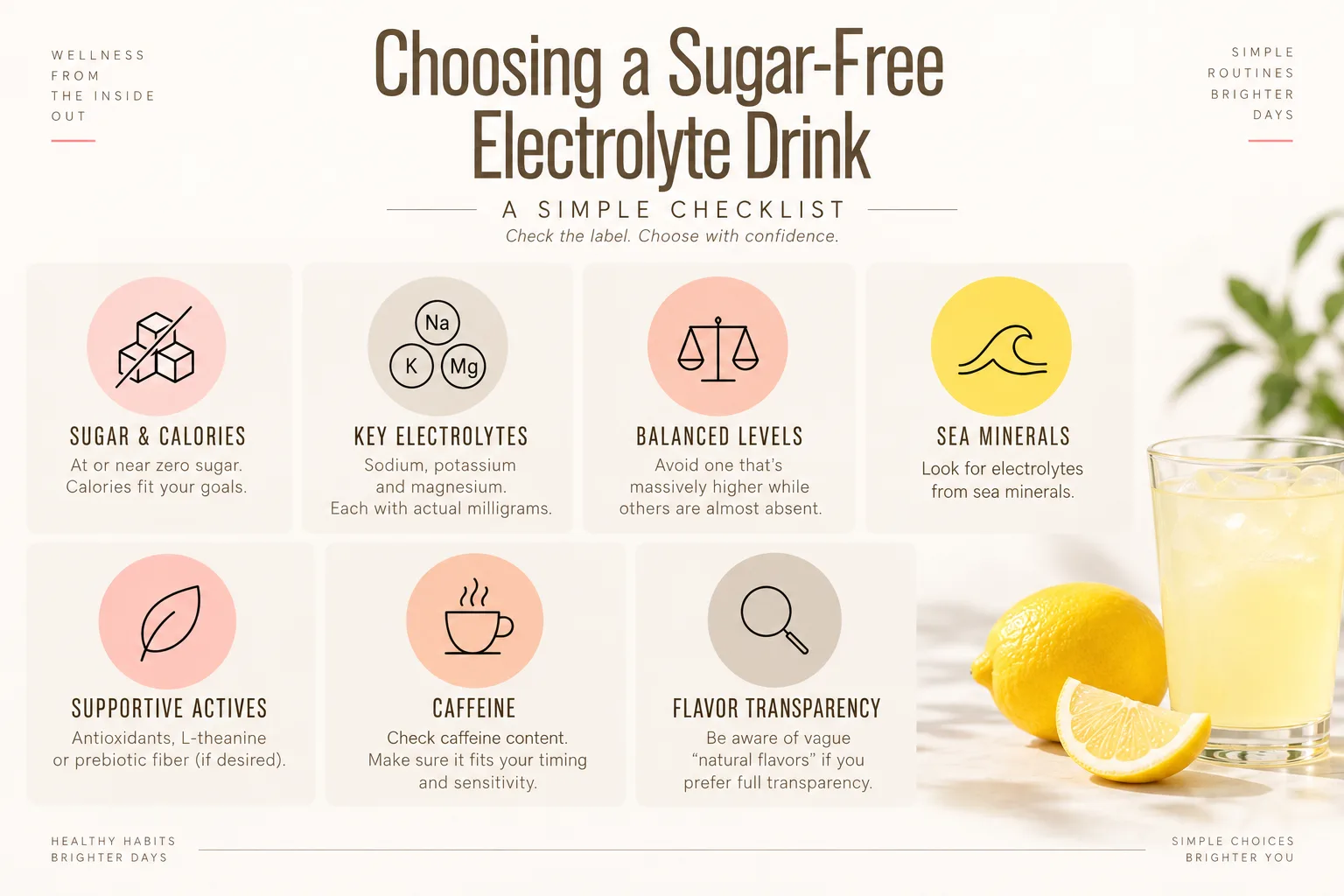
Quick checklist when choosing a sugar-free electrolyte drink
When you are in a store or scrolling online, use a simple checklist instead of guessing.
Start with sugar content and total calories, then confirm real electrolyte levels and sources. If sugar is zero or very low and calories are modest, move on to whether the electrolytes justify drinking it.
A practical in-the-moment checklist looks like this:
- Check that sugar is at or near zero, and calories fit your goals.
- Look for sodium, potassium and magnesium, each listed with actual milligrams.
- Confirm that none of the three is massively higher while the others are almost absent.
- See if electrolytes from sea minerals are mentioned as a source.
- Scan for supportive actives like antioxidants, L-theanine or prebiotic fiber if you want added benefits.
- Check caffeine content and decide if that fits your timing and sensitivity.
- Look at the flavoring: be aware of vague “natural flavors” if you prefer full transparency.
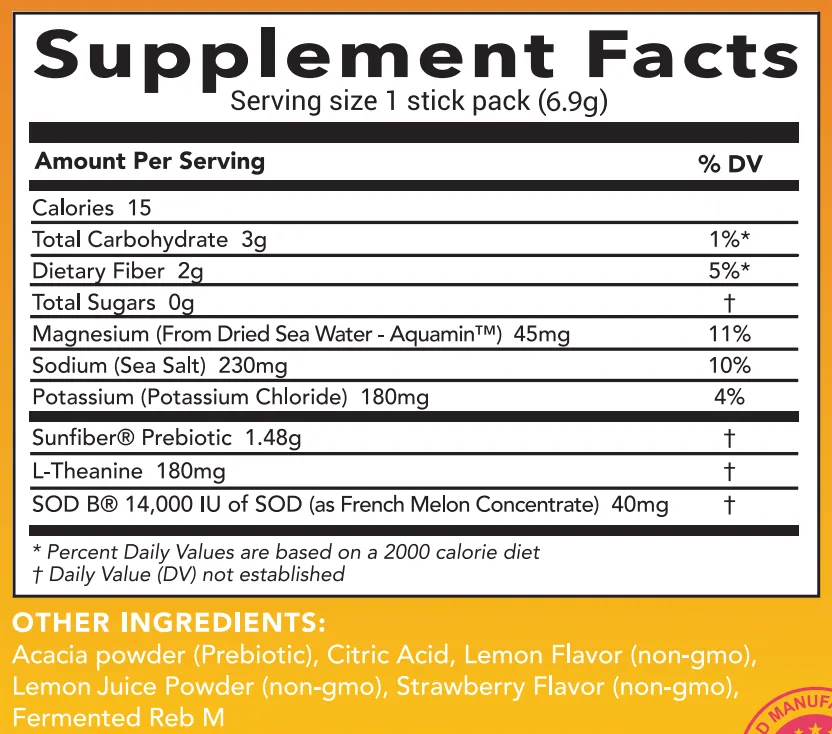
Running a label through this list takes less than a minute once you are used to it. Over time, you will start to recognize patterns: products that are basically lightly salted, flavored water and those that build a more complete, sugar-free support system around your hydration.
If you are interested in why we emphasize sea minerals in this checklist, our article on electrolytes from sea minerals explains how they compare with other sources on fluid balance, muscle contraction and nerve signaling.
FAQ about sugar-free electrolyte drinks
Do sugar-free electrolyte drinks work the same for women and men? Yes, when formulas are similar, sugar-free electrolyte drinks work for women and men in the same basic way. Electrolytes support fluid balance and muscle and nerve function across sexes. Individual needs can vary by body size, training load and climate, but the mechanism is the same. The key is matching serving size and frequency to your own training and lifestyle.
What is the main job of a sugar-free electrolyte drink: electrolytes or carbs? The main job of sugar-free electrolyte drinks is to provide electrolytes, not carbohydrates. They are designed to give you minerals without adding sugar. Most people can get the carbohydrates they need for training and recovery from the rest of their diet or from separate carb sources before or after workouts, rather than relying on the drink itself. Think of the drink as your hydration and mineral tool, and food as your primary fuel.
When is a sugar-free electrolyte drink enough on its own, and when do I still want extra carbs? For everyday hydration, strength sessions and moderate cardio, a sugar-free electrolyte drink is often enough on its own. In some higher-intensity or longer-duration exercise, additional carbs around the workout can be helpful, but those carbs do not have to be in the electrolyte drink. You can use fruit, snacks, gels or a carb-containing drink alongside your sugar-free electrolytes if your session is especially long or demanding. The key is separating “hydration and minerals” from “fuel” so you can adjust each as needed.
Can I use sugar-free electrolyte drinks regularly as part of a balanced diet? Yes, sugar-free electrolyte drinks are designed to be used regularly as part of a balanced diet, including for people who already get adequate carbs from food. If anything, they give you more control, since you can keep electrolytes steady while getting most of your carbohydrates from whole foods and meals you enjoy. Over time, that flexibility can make it easier to stick to the way of eating and training that feels sustainable.
To see how we put all of this into practice in a real product, and to choose a formula that aligns with your training, fasting and daily hydration goals, you can shop SkinSips®.
*This article is general information, not medical advice. Talk to your doctor before changing your diet or supplements.*